
Isle of Lewis, 2025
In May 2025 I undertook a Royal Scottish Academy residency on the Isle of Lewis, spending a month working at a croft house near Stornoway and among the shielings at Cuidhsiadar in Ness. Having briefly worked in both places before, this was an opportunity to explore them in greater depth.
Throughout the landscape of Lewis, the domestic and the ancient sit side by side, creating a powerful dialogue between home and history. Working both outdoors and in, I explored how objects, interiors, ruins and the natural environment intersect and carry emotional and historical resonance. The process became a kind of domestic archaeology.
Reading about Celtic history and archaeology deepened my understanding of the landscape, the relationship between objects, memory and place. From votive offerings preserved in peat to personal mementos carried through generations, objects hold traces of both the past and imagined futures.
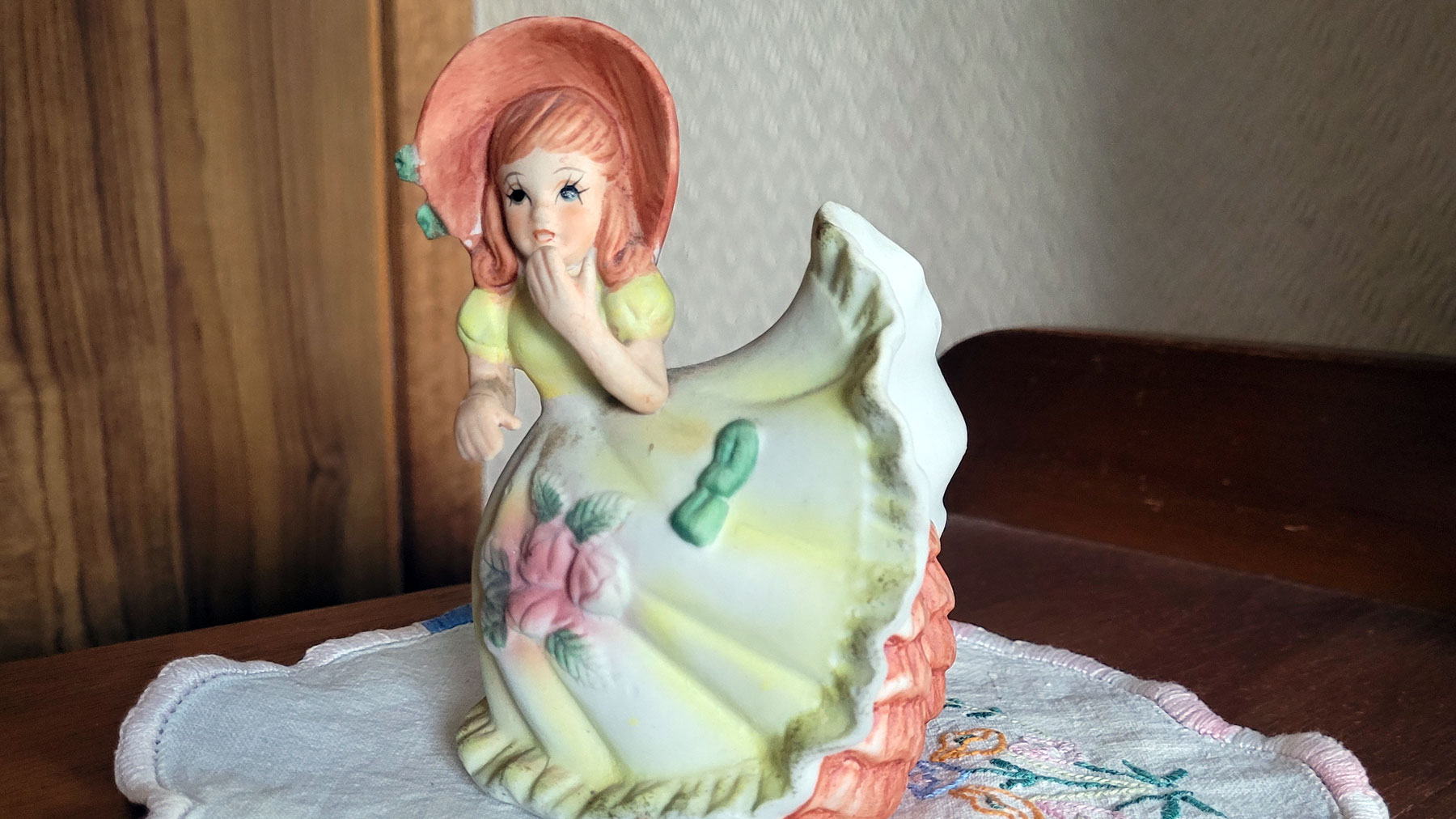
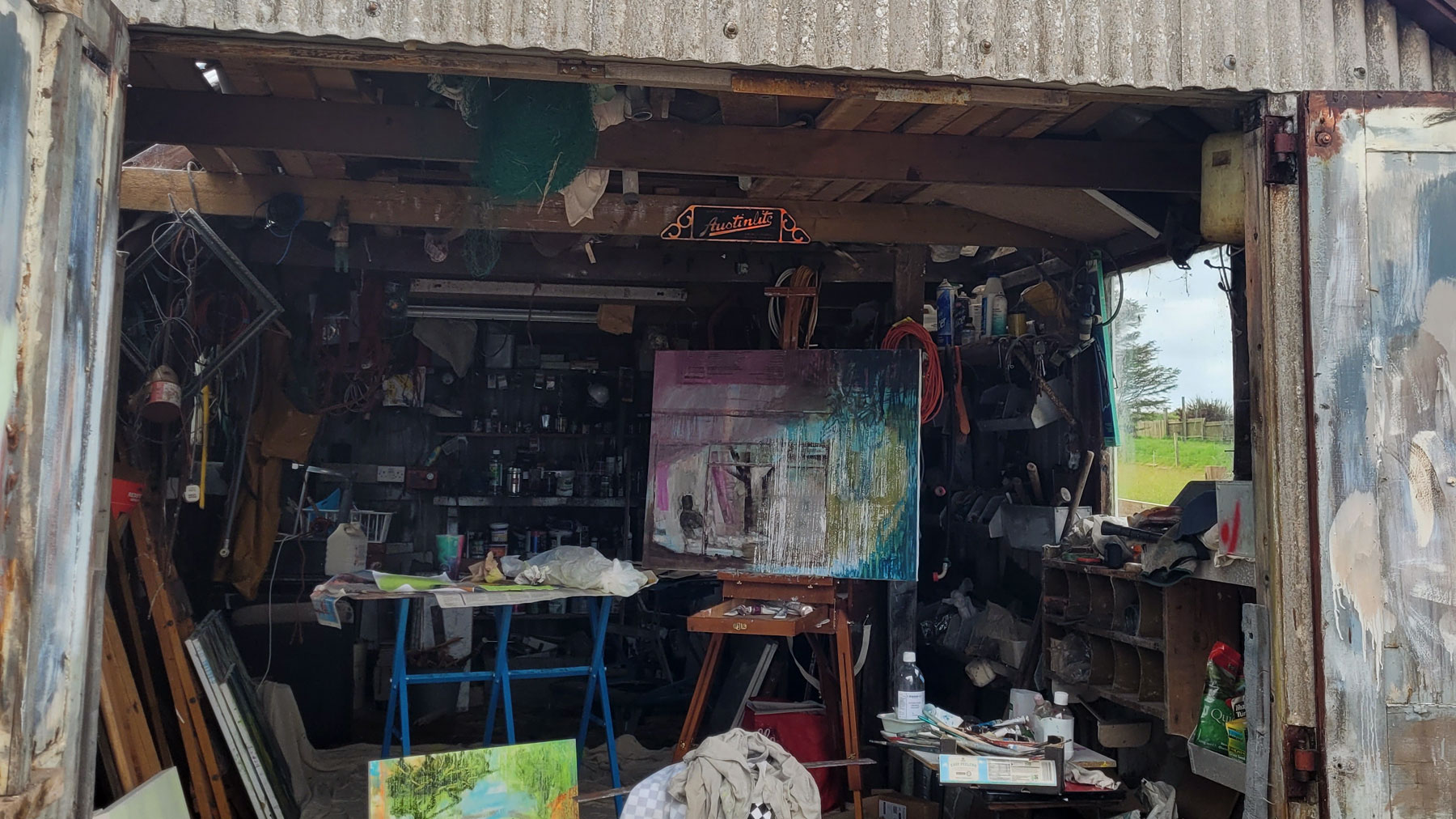
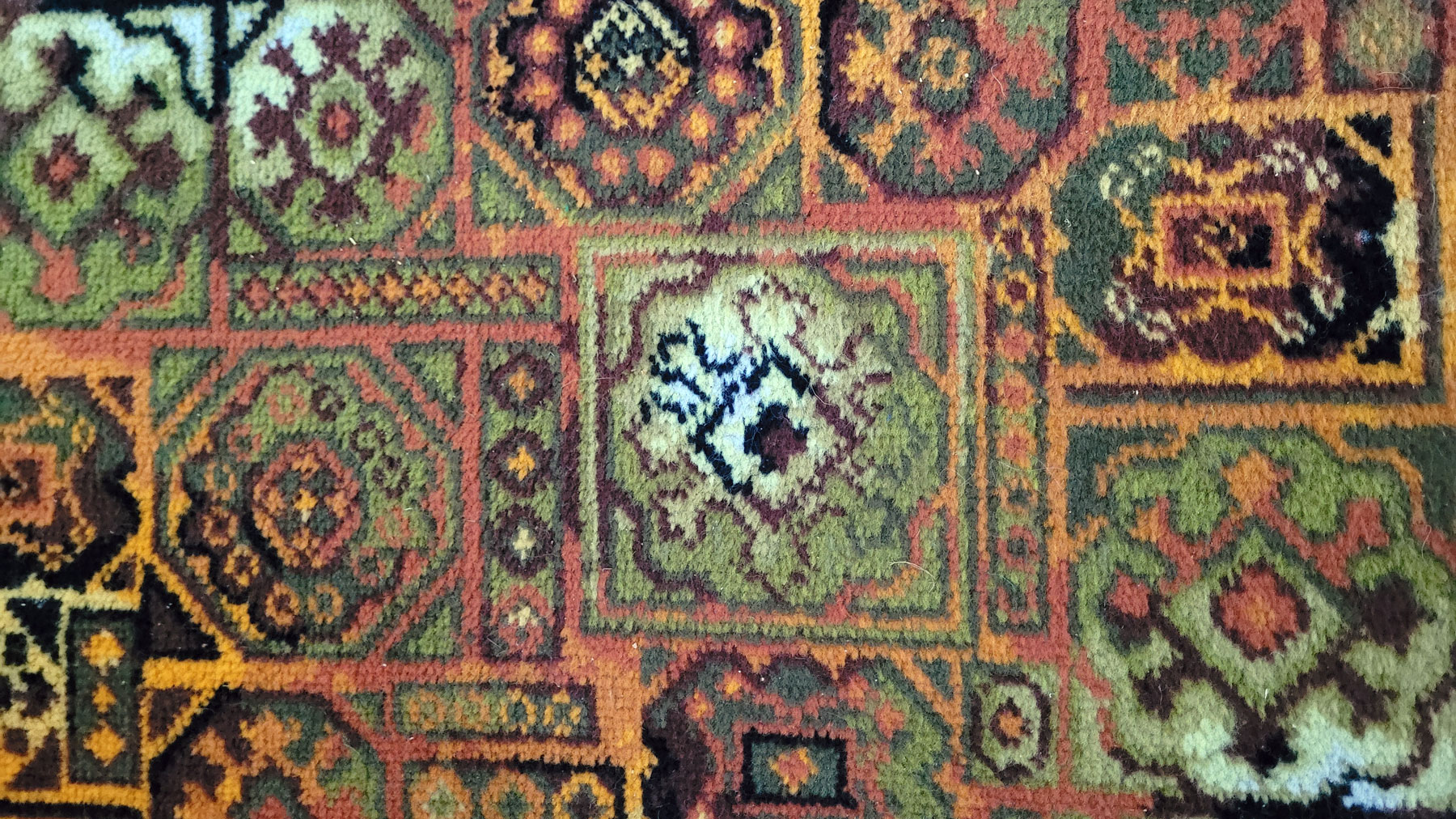
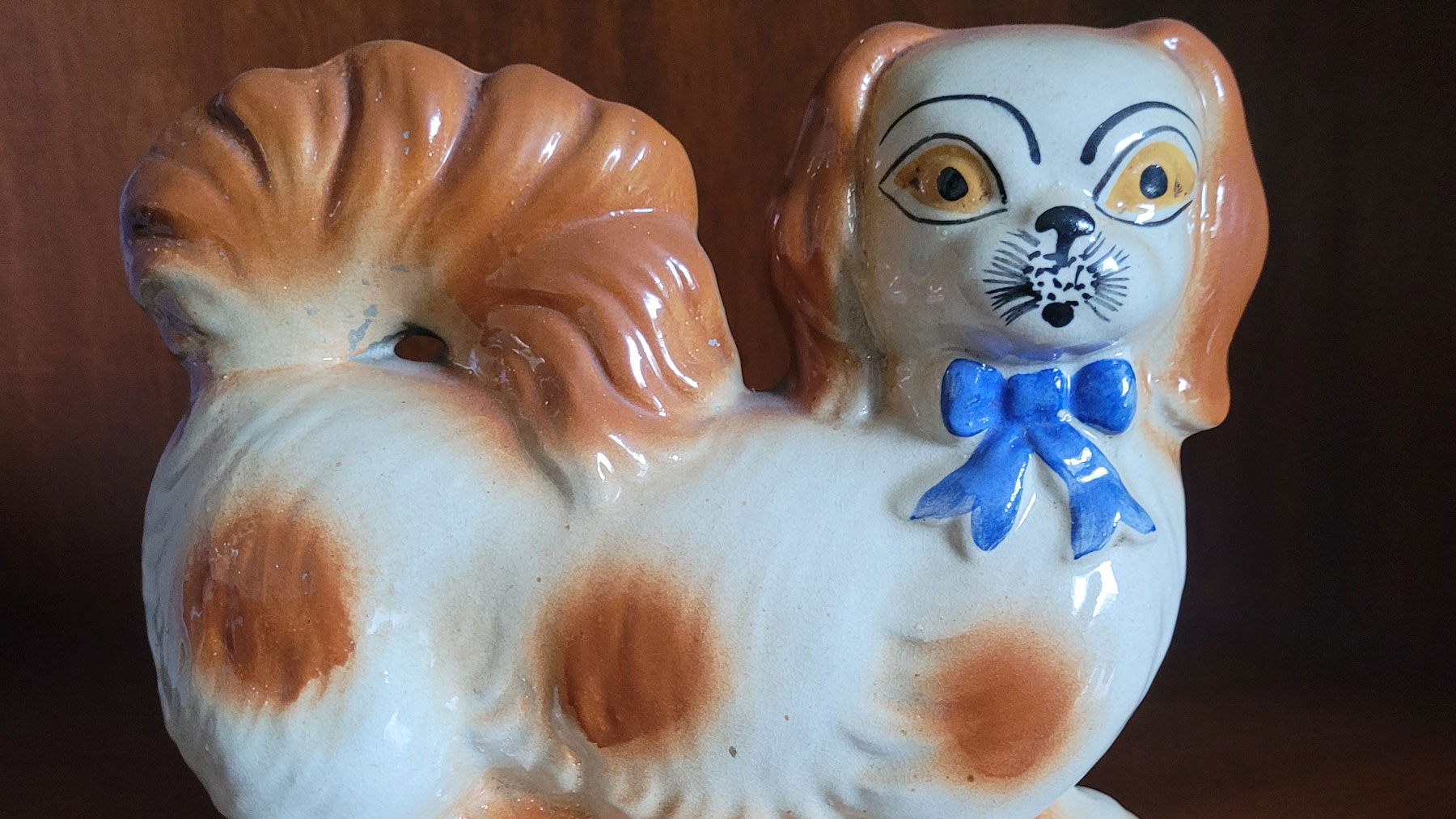
In my makeshift studio– dubbed the ‘Art Garage’, I experimented looking for synergies of improvisation and planning. Gouache, highlighter pen, found wallpaper helped to capture mementos in the house. I used oil on a larger scale outdoors. I trawled local charity shops finding fabric for material experiments. The nostalgia inspired by the belongings, of other people long gone was extremely moving. These objects remained mysterious, kitschy, resonant portals to stories I would never know.
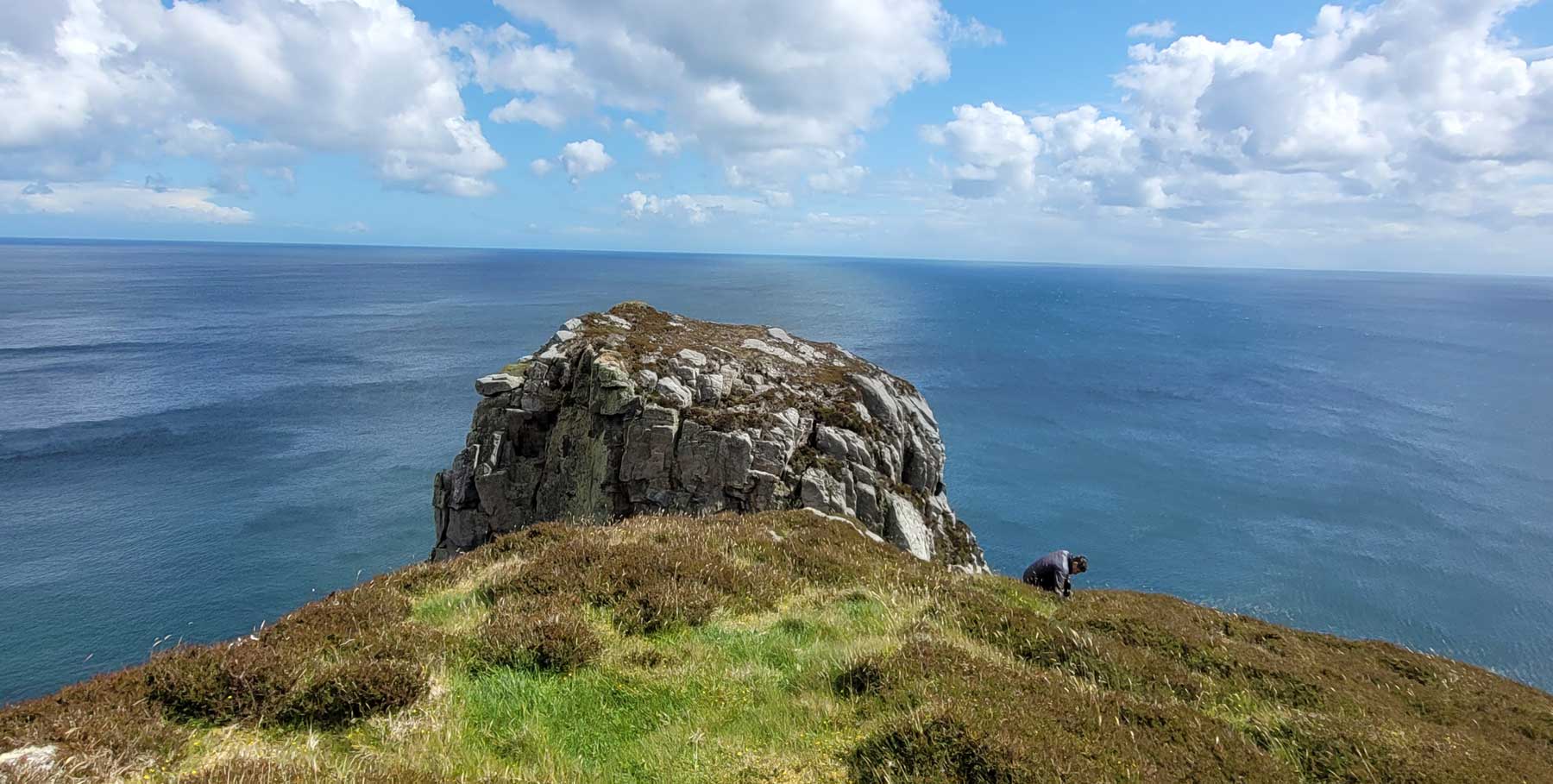
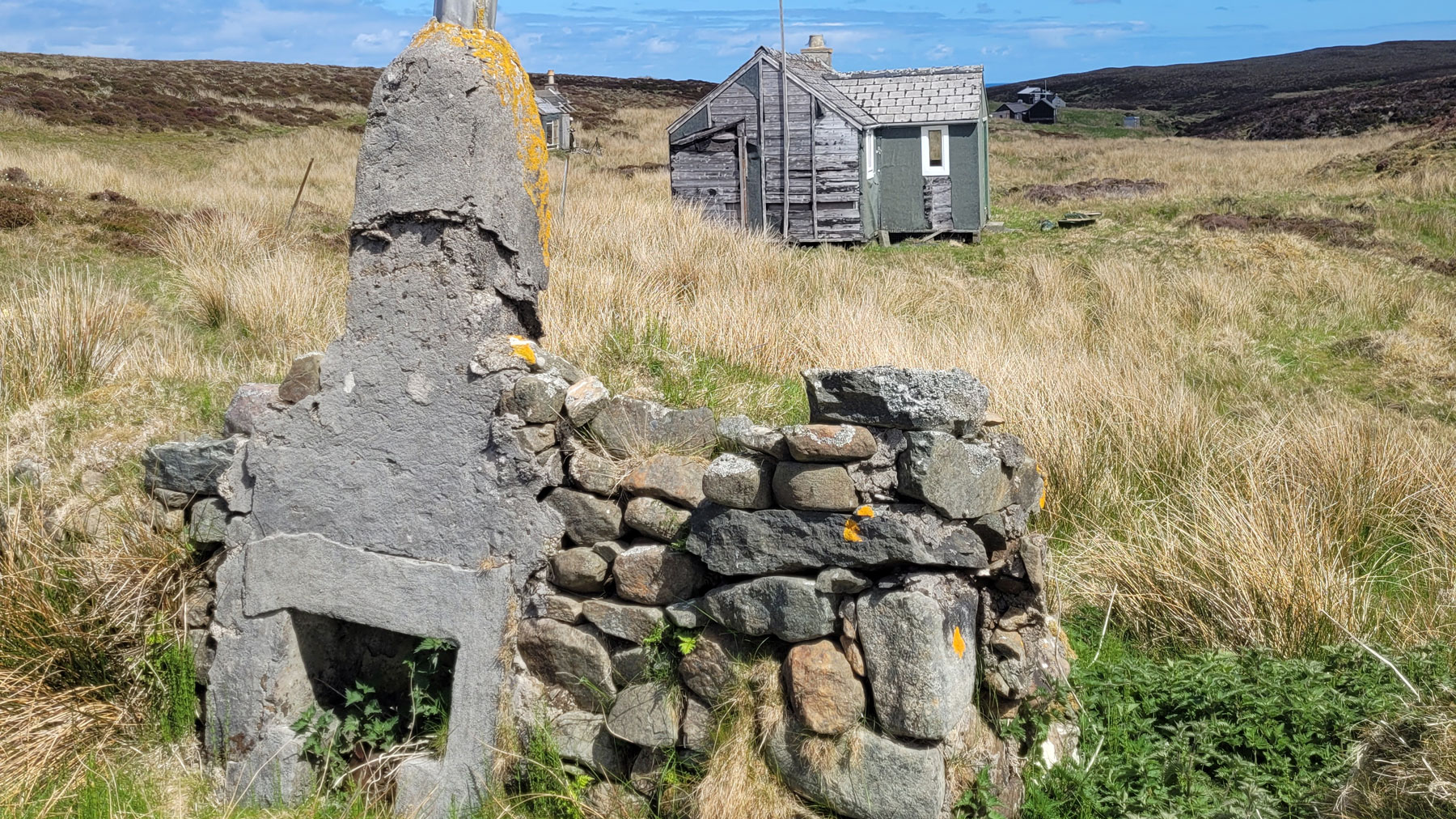
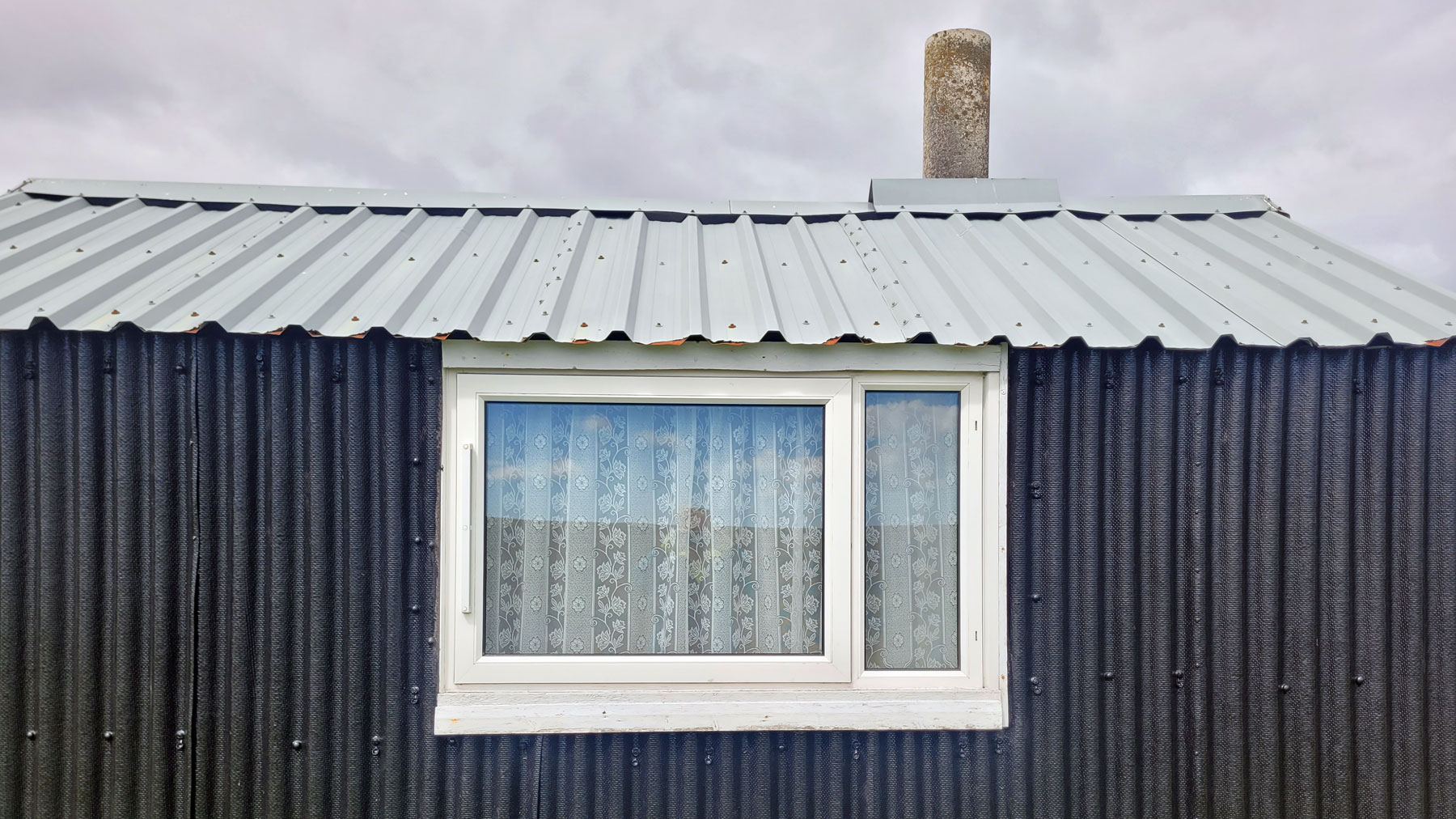
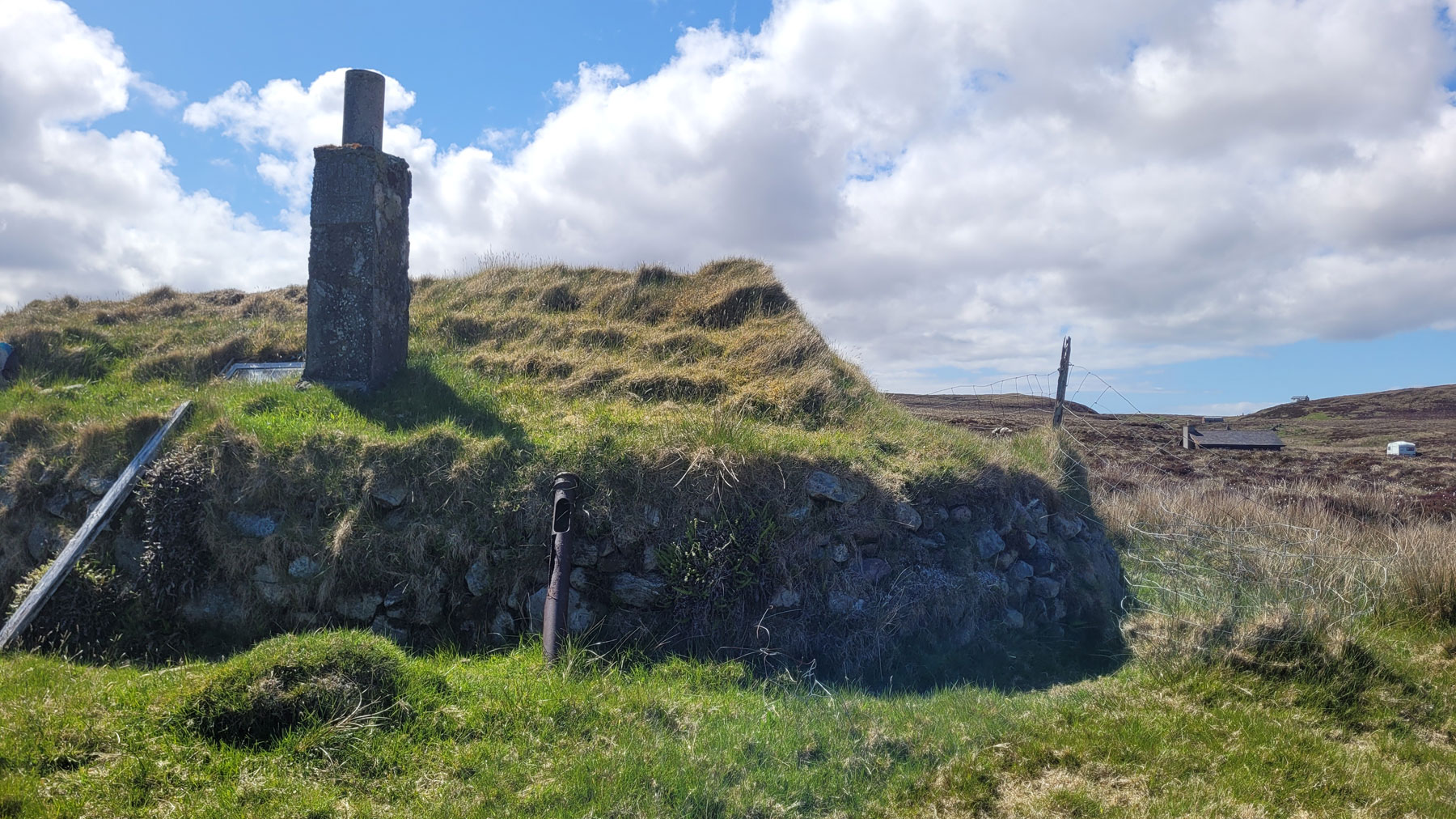
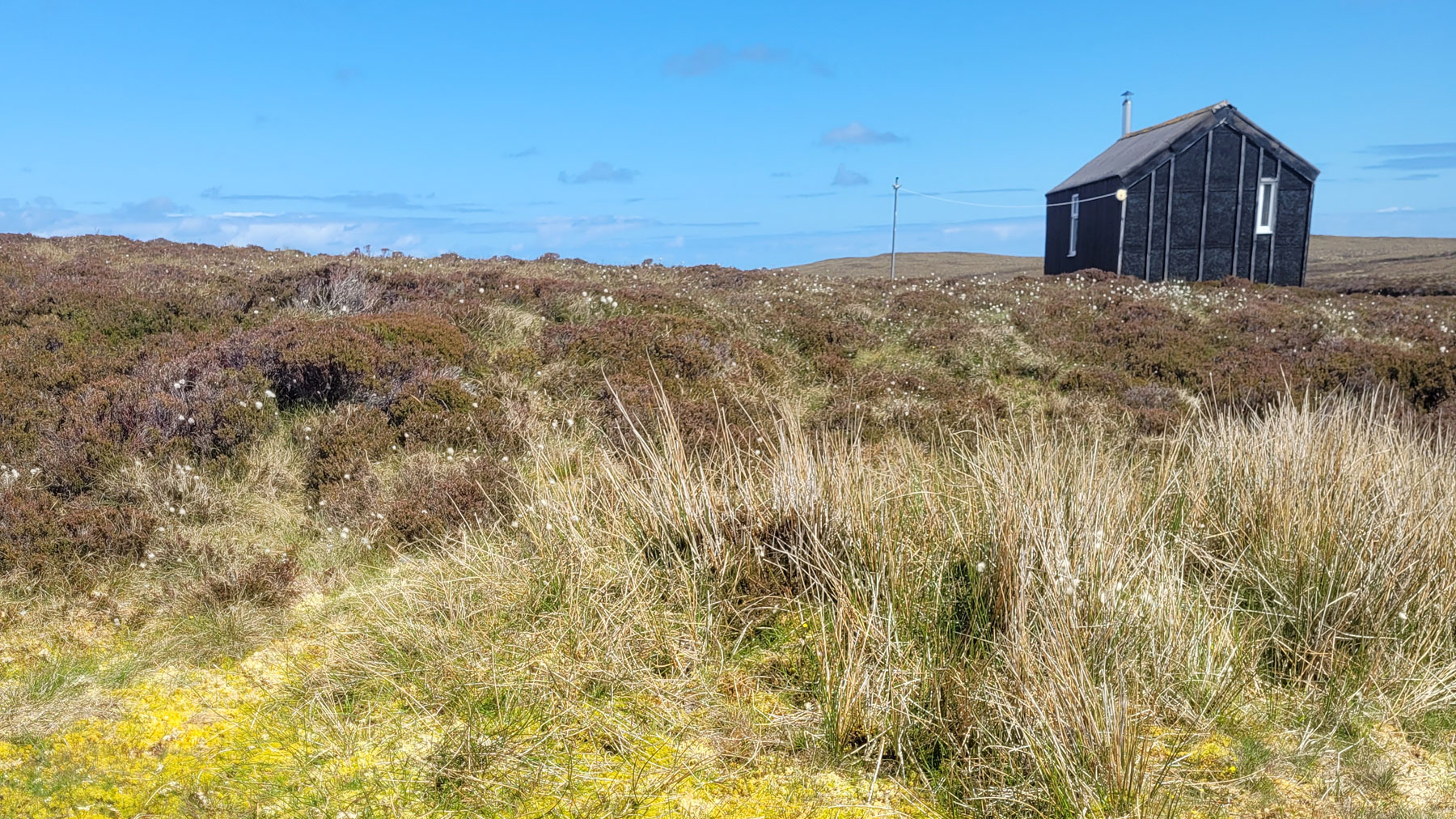
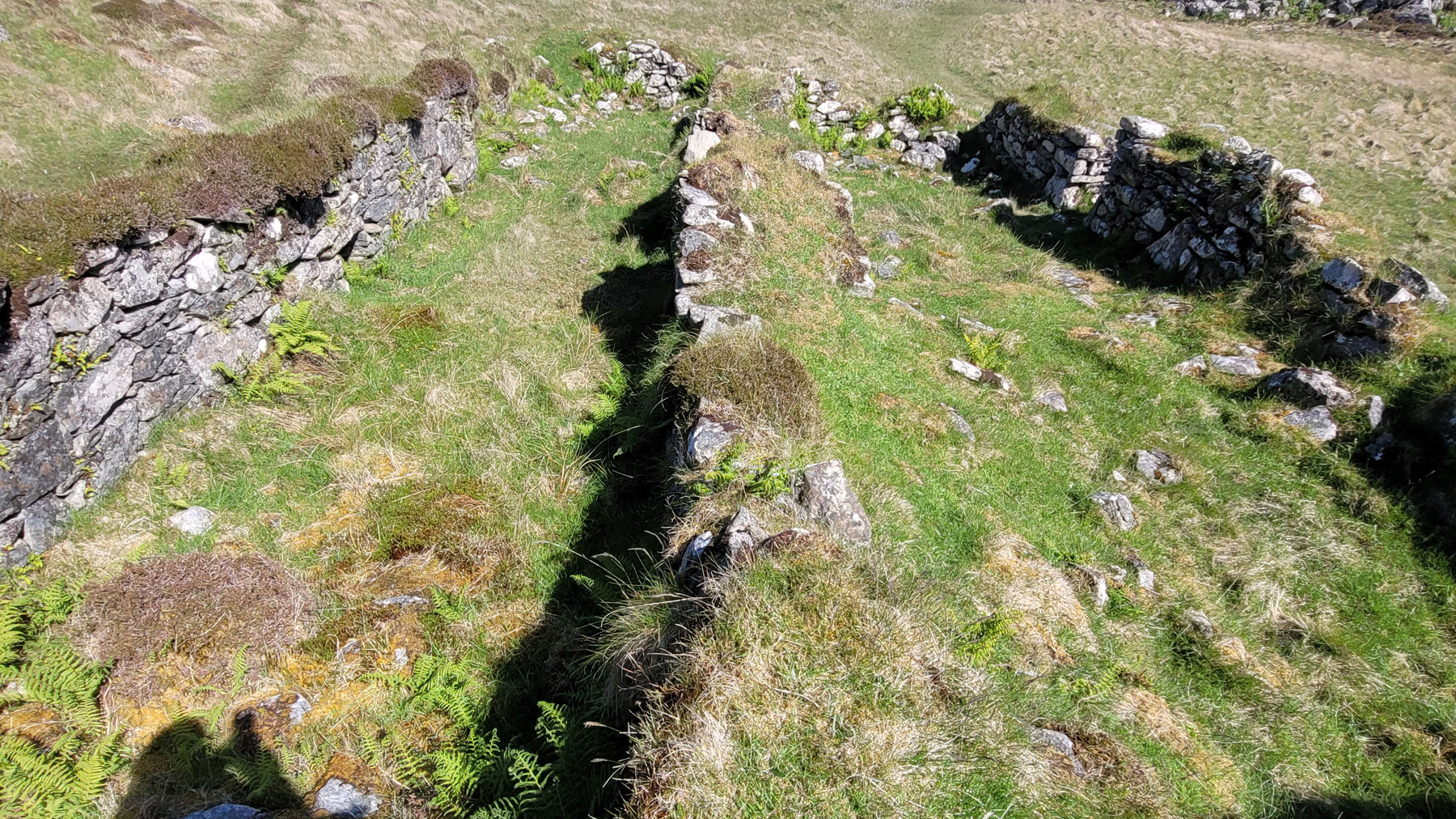
I went walking with An Lanntair curator Jon Macleod and Glasgow photographer Henry Butters to Cuidhsiadar. Here small huts and caravans used as seasonal dwellings range from complete ruins to fully restored lace-curtained homes away from home. The variations on a ‘hut’ theme were fascinating. They exist in a timeless ever-changing landscape where the forces of nature are relentless. As outposts of domesticity in the face of deep time and a fast-approaching future the huts seemed other-worldly.
Royal Scottish Academy Residencies for Scotland are funded by the W Gordon Smith and Jay Gordonsmith Bequest. Thanks to curator Jon Macleod and Roddy Murray, Head of Visual Arts and Literature at An Lanntair.
Many thanks to Fiona Macleod and Iain Livingstone for allowing me the gift of time in their beautiful croft house.